

Lighting Supply for Hotels: Managing Lead Times and Deliveries
Hotel lighting supply requires careful planning and close coordination across multiple areas and product types. Unlike a single-room fit-out, hotels involve lobbies, restaurants, bars, corridors, guest rooms, and external spaces, each with different requirements, lead times, and installation sequences. Getting the procurement right from the outset is essential to keeping the programme on track.
Specification across multiple zones
Hotel projects typically involve a wide range of lighting products, each specified to perform differently across zones.
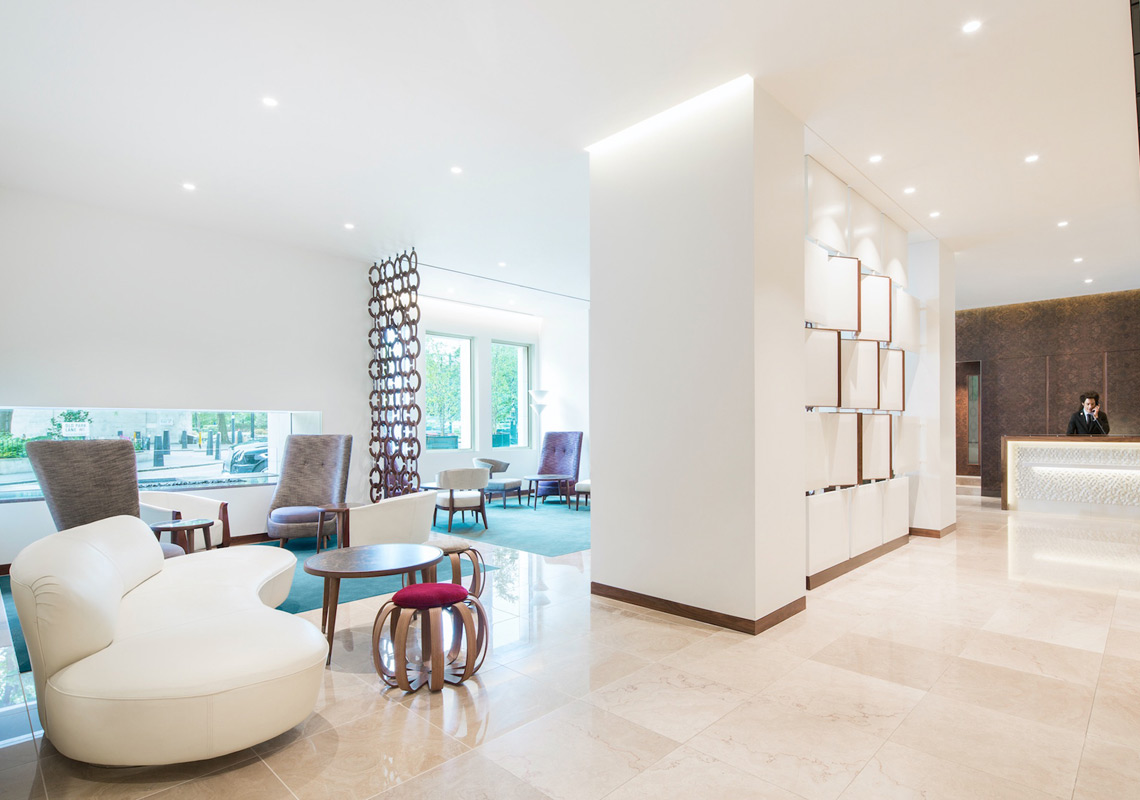
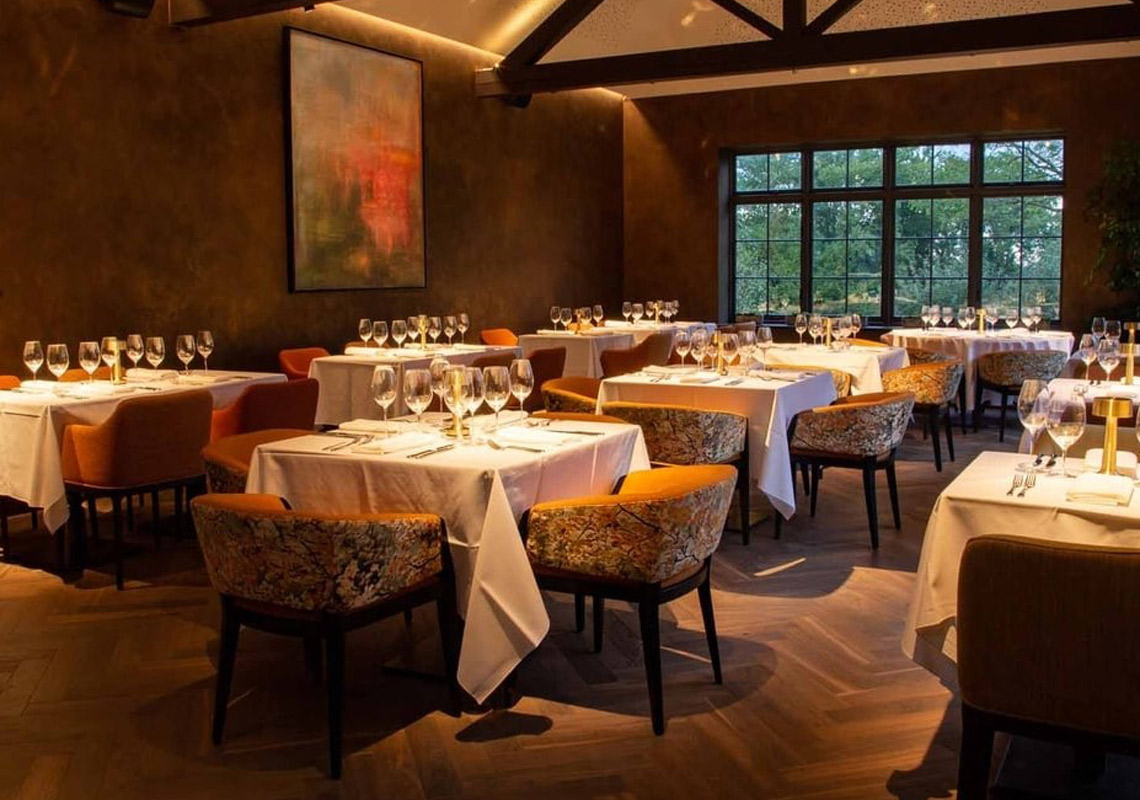
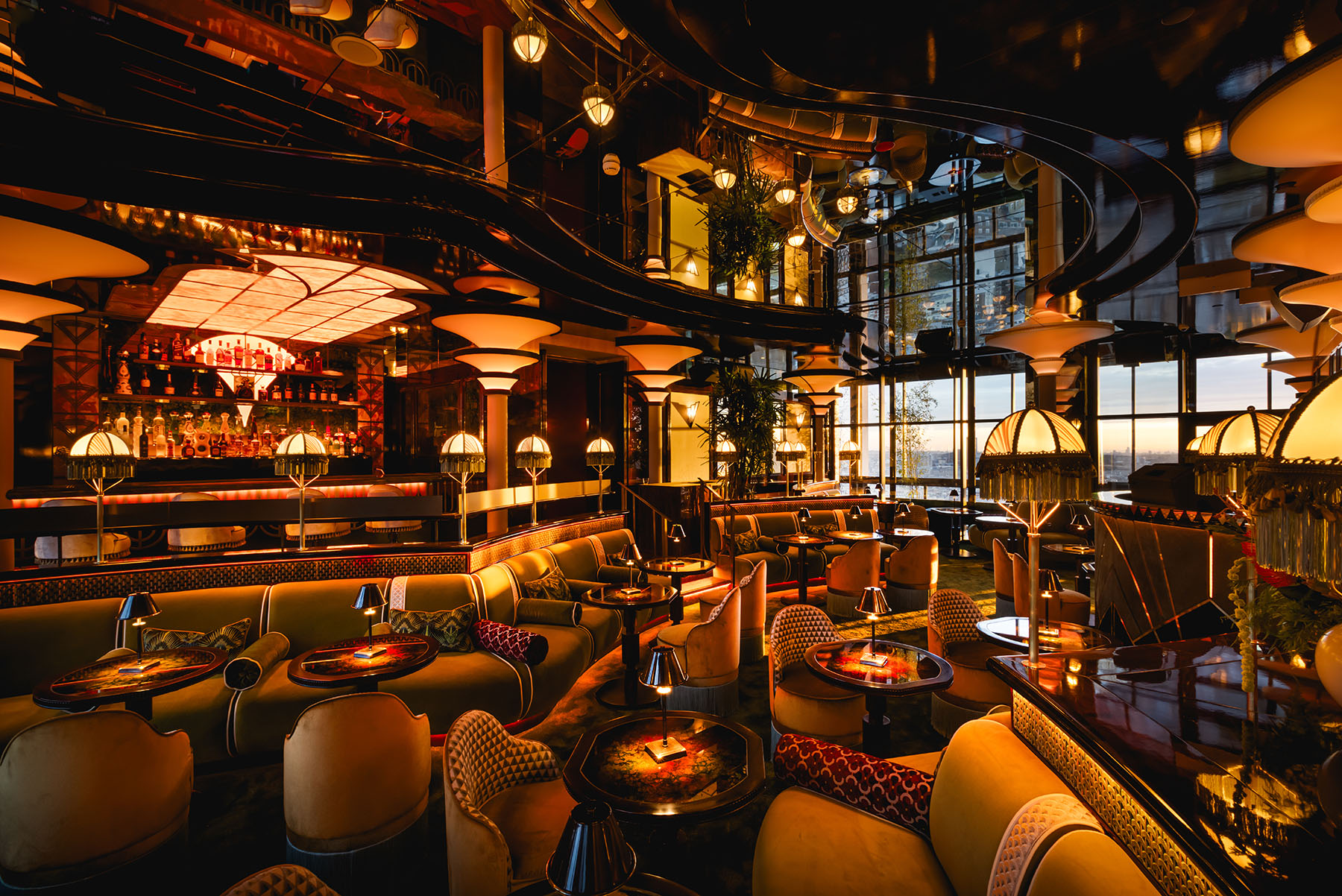
Lobby and reception areas often feature bespoke or custom-finished decorative fittings that define the character of the space. Restaurants and bars require high colour quality fittings, frequently with very warm colour temperatures in the 2000K to 2700K range. Guest rooms need glare-free task lighting, bathroom mirror lighting, and low-level night lighting. Corridors and external areas require efficient, well-controlled fittings, often with presence detection or scene control.
Each of these product categories may come from different manufacturers, with different lead times and finish approval processes. Managing them as a coordinated package rather than separately is essential to avoid gaps or delays on site.
Bespoke and custom-finished fittings
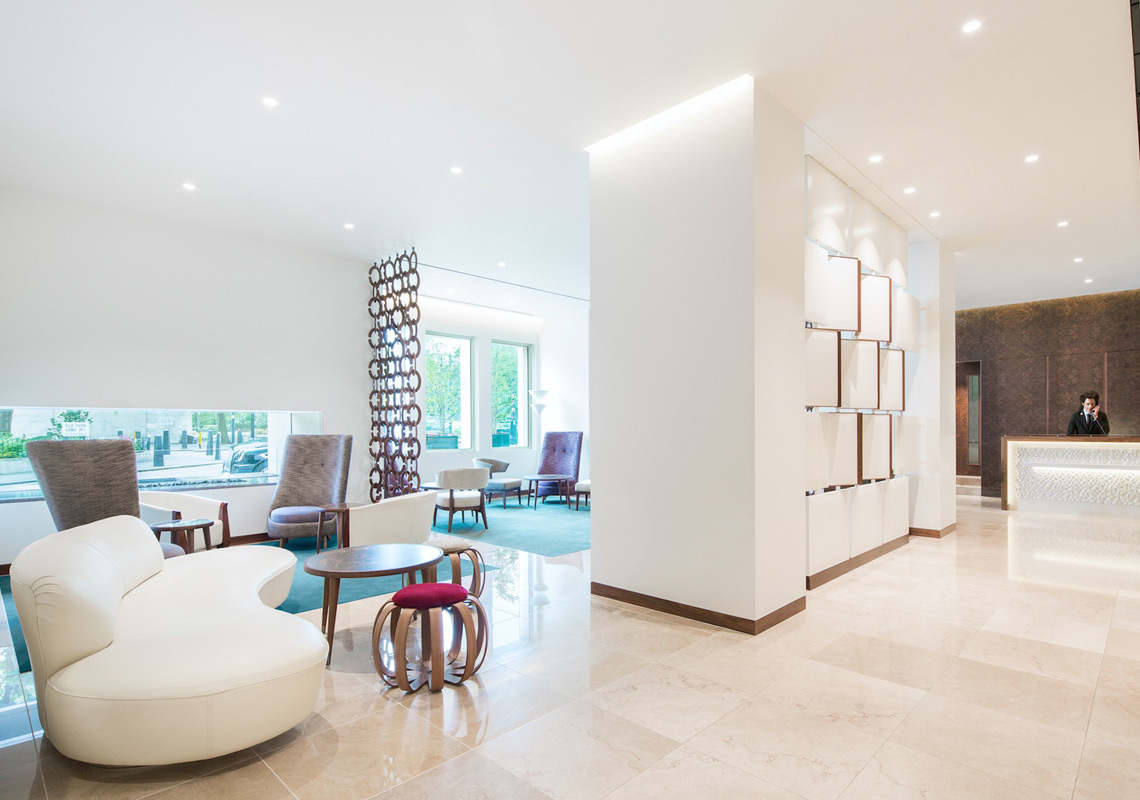
Lobby and feature areas frequently require bespoke or custom-finished luminaires that cannot be sourced from stock.
Statement pendants, custom wall fittings, and architectural installations are often specified with specific finishes, such as antique brass, aged bronze, specialist lacquers, or custom powder coats, that require samples for client or designer approval before production begins.
These fittings typically carry the longest lead times on a hotel project, sometimes twelve weeks or more. Identifying them early, initiating the approval process promptly, and placing orders at the right stage of the programme is critical. A delay to a single feature fitting can hold up an entire lobby installation.
Boutique hotels and heritage properties
Boutique and country house hotel projects present additional supply challenges.
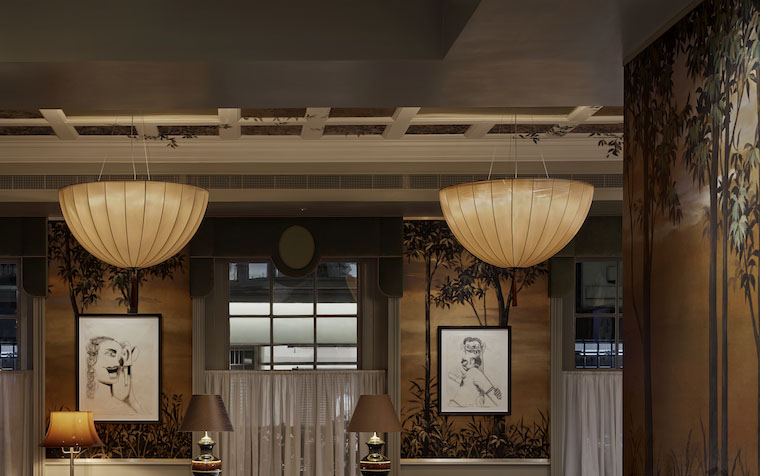
Fittings often need to complement existing architectural character, including period details, natural materials, and decorative schemes that rule out standard product ranges. Sourcing appropriate fittings requires a clear understanding of the design intent, not just a specification list.
External lighting for heritage properties adds further complexity, with requirements for low-level, low-impact illumination that integrates with the landscape and complies with planning or conservation constraints.
Colour temperature and lamp selection
Lamp and colour temperature selection across a hotel project requires careful attention.
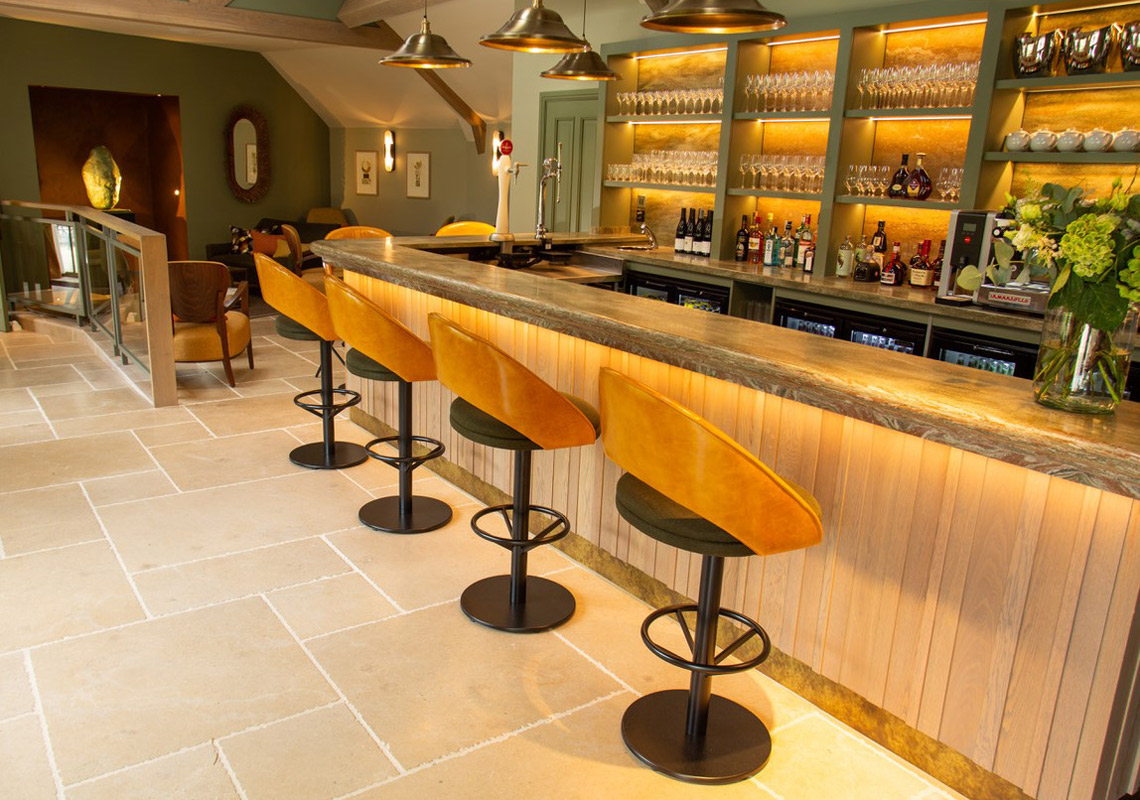
Guest rooms typically favour warm 2700K light to create a relaxed and comfortable atmosphere, while restaurants and bars may push further to 2200K or 2000K for a more intimate feel. Corridors and back-of-house areas generally sit higher, around 3000K, for clarity and ease of maintenance.
Ensuring the correct lamps are supplied as part of the lighting package, rather than left to contractors to source on site, avoids inconsistencies and last-minute adjustments. Lamps supplied with fittings are not always suitable, and specifying them as part of the procurement package helps maintain consistency across the project.
Driver locations and dimming compatibility
Hotels rely heavily on dimming and scene control to shift atmosphere throughout the day and evening.
Lobbies need to feel bright and welcoming in the morning and softer as the evening progresses. Restaurants and bars require flexible dimming to support different services. Guest rooms need simple, intuitive control with a small number of clearly defined scenes.
Many architectural fittings use remote drivers that must be installed in accessible locations for maintenance. Ensuring compatibility between luminaires, drivers, and control systems needs to be resolved before orders are placed, not during installation. Mismatched components are a common source of commissioning problems on hotel projects.
Phased deliveries across a large programme
Hotel fit-outs often proceed in phases, with different floors or areas handed over at different times.
Lighting deliveries need to be coordinated accordingly, ensuring fittings arrive when each area is ready for installation rather than being stored on site for extended periods.
Clear labelling, accurate delivery schedules, and close communication with the site team help installers identify and locate fittings efficiently. Storage space on hotel sites is often limited, and poorly timed deliveries create unnecessary risk of damage or loss.
Successful hotel lighting supply depends on treating the project as a coordinated package from the outset. Identifying long-lead bespoke fittings early, managing finish approvals, coordinating lamp and driver selection, and planning phased deliveries carefully all contribute to a smoother installation across what is typically a complex and time-sensitive programme.
If you are planning a hotel fit-out and need support with lighting procurement and delivery coordination, we would be glad to discuss how we can help.