

Managing Lighting Supply for Restaurant and Bar Projects
Managing lighting supply for restaurant and bar fit-out projects requires careful coordination and early procurement planning. Hospitality programmes are typically tight, with fixed opening dates that leave little room for delay. Managing lead times, finish approvals, deliveries, and installation logistics is therefore critical to ensuring lighting installations proceed smoothly.
Lead times and fast turnaround
Hospitality projects often move quickly from design to construction, requiring prompt procurement decisions. However, many decorative luminaires and architectural lighting products are manufactured to order, with lead times commonly ranging from four to twelve weeks.
Monitoring lead times closely and maintaining clear communication with manufacturers is essential. Long-lead items should be identified early so that orders can be placed in time to avoid programme delays.
Finishes and client approvals
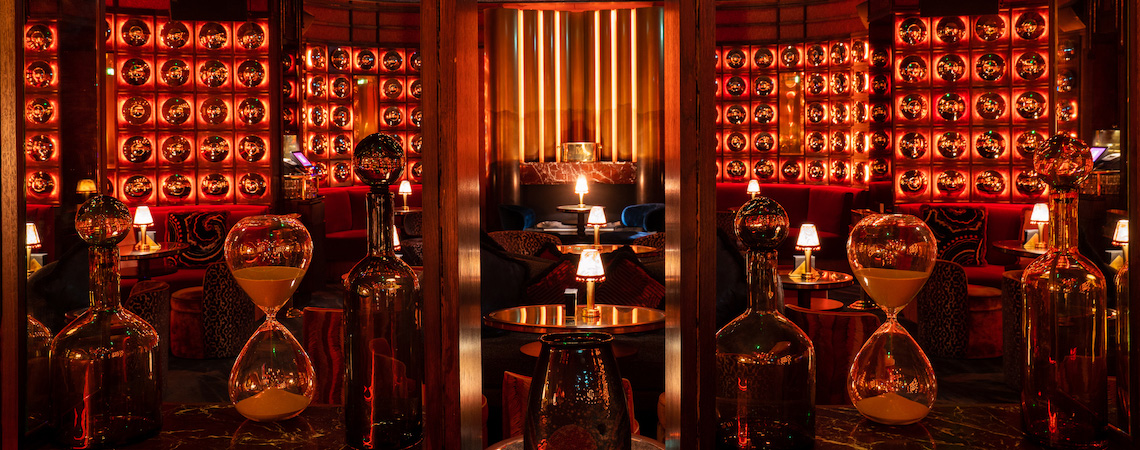
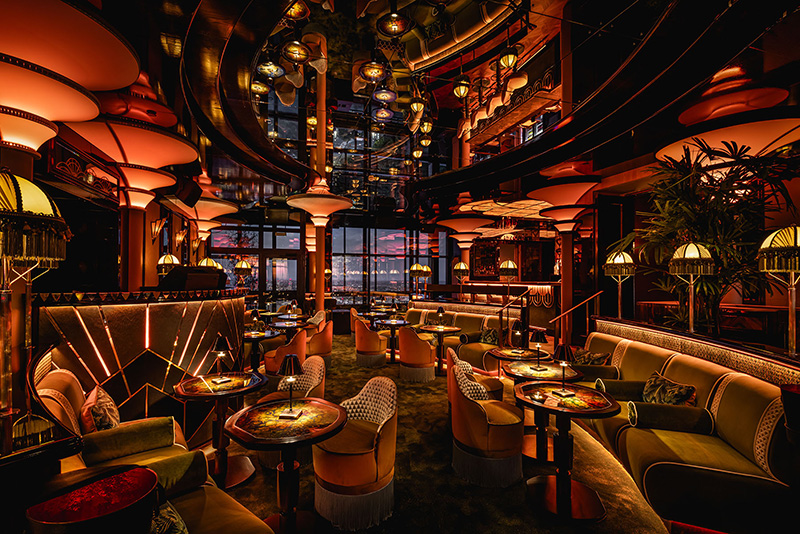
Decorative lighting plays a key role in restaurant and bar interiors. Fittings are frequently specified with bespoke finishes such as antique brass, aged bronze, custom powder coats, or specialist plating. These finishes typically require samples for client or designer approval before production begins.
Managing this approval process carefully is important to prevent manufacturing delays. Finishes should also be checked against approved samples before delivery to avoid issues once fittings arrive on site.
LED ribbon preparation
LED ribbon (or tape) is widely used for joinery lighting, shelving, and concealed architectural details. Preparing this in a workshop environment rather than on site can reduce installation time and improve reliability.
Supplying LED ribbon cut to size and pre-soldered is particularly important for RGBW tape, which requires five-core connections and can be difficult to solder neatly on site. IP-rated tape commonly used in bar areas can also have its protection compromised if cutting and soldering are carried out during installation. The increasing use of very narrow LED tape, sometimes as small as 4 mm wide, makes on-site preparation even more challenging. Pre-prepared lengths can therefore help streamline installation.
Light bulbs and colour temperatures
Light bulbs for decorative fixtures are often overlooked within lighting procurement packages. In some cases, lamps supplied with fittings are unsuitable, with incorrect colour temperatures or poor dimming performance.
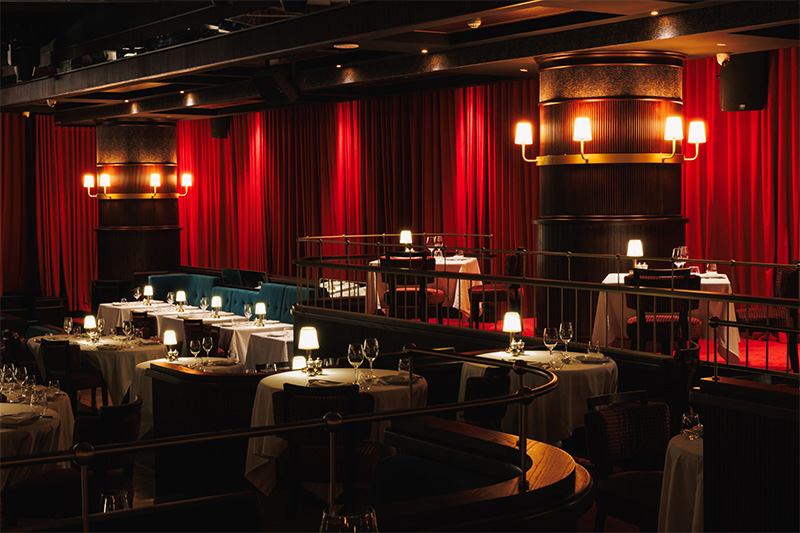
Restaurants typically favour very warm light, often around 2000K, to create a comfortable and intimate atmosphere. Selecting and supplying appropriate lamps as part of the lighting package helps maintain consistency and reduces last-minute adjustments.
Drivers, dimming and commissioning
Driver locations and dimming compatibility also require careful coordination. Many fittings use remote drivers that must be installed in accessible locations for maintenance.
Hospitality lighting relies heavily on dimming to create different moods throughout the day and evening. Ensuring compatibility between luminaires, drivers, and control systems helps avoid flicker, limited dimming range, or performance issues during commissioning.

Careful planning of lighting deliveries
Restaurant and bar fit-outs often have limited storage space and busy working environments. Lighting deliveries need to be timed so fittings arrive when required, rather than too early, to avoid damage or misplacement.
Clear labelling, phased deliveries, and careful tracking of items help installers identify fittings quickly and reduce confusion on site.
Successful restaurant and bar lighting supply depends on structured procurement and proactive coordination. Identifying long-lead items early, managing finish approvals, preparing LED components appropriately, and planning deliveries carefully all contribute to smoother installations.
When lighting procurement is aligned with the construction programme from the outset, hospitality projects are better positioned to meet fixed opening dates while maintaining design quality.